When a compression spring fails earlier than expected, teams often blame material, quality, or the supplier first. Sometimes the supplier is part of the problem, but many failures begin much earlier. The real issue is often a selection mistake that was built into the project before the spring was ever installed.
In equipment applications, compression springs work inside real mechanical constraints. They do not fail in isolation. They fail inside assemblies with limited space, uneven movement, imperfect guiding, environmental exposure, and replacement habits shaped by purchasing decisions. If those conditions are ignored during selection, the spring may reach production already set up for trouble.
For buyers and engineers reviewing compression spring options, it helps to treat failure prevention as a selection problem first and a quality-control problem second.
Mistake 1: Choosing by a few catalog dimensions only
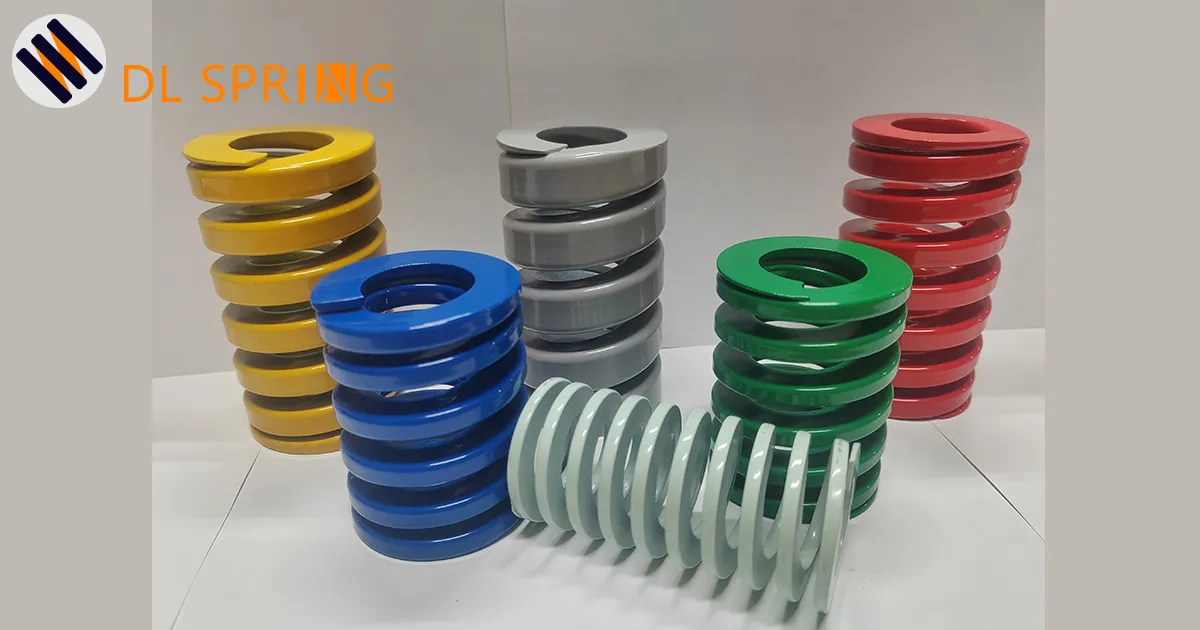
One of the most common mistakes is selecting a spring based only on a short list of dimensions such as outer diameter, free length, and a rough visual match. That may be enough to identify a candidate part, but it is not enough to confirm a good fit.
- The installed height may be more restrictive than the free length suggests.
- The working movement may be more demanding than a simple size comparison reveals.
- A visually similar spring may behave very differently in the real assembly.
This mistake often happens during replacement sourcing, when a team assumes that “close enough” geometry means “safe enough” performance.
Mistake 2: Ignoring how the spring is guided in the assembly
A compression spring does not only need the right size. It also needs to work in a stable path. If the assembly allows tilting, side force, or poor alignment, the spring may wear, deform, or behave inconsistently long before the team expects trouble.
That is why the installation context matters:
- Is the spring centered and guided properly?
- Is the load applied along the intended axis?
- Does the assembly create bending or rubbing during motion?
If those questions are ignored, the spring may be blamed for a problem that actually begins in the equipment layout.
Mistake 3: Treating working movement as an afterthought
Some projects define the spring space carefully but leave the actual working movement vague. That creates a weak selection process, because the spring is being chosen for a location rather than for a function.
Before ordering, confirm:
- how far the spring moves in real use,
- whether the movement is repeated frequently or only occasionally,
- whether there are peak conditions during startup, stopping, or overload events.
This is one reason why application details are essential in a custom spring discussion. The spring has to fit the motion, not just the drawing box.
Mistake 4: Overlooking environment, handling, and finishing requirements
Not every early failure is caused by load or installation. Some failures begin because the team ignores moisture, contamination, storage conditions, or handling damage. A spring used in a cleaner or drier environment may not need the same finishing logic as one exposed to harsher conditions.
That is why buyers should not separate performance from finishing and handling conditions. Reviewing the supplier’s aftertreatment approach is often part of a better failure-prevention process, especially when corrosion or surface condition may affect the application.
Mistake 5: Assuming any supplier can reproduce the same result consistently
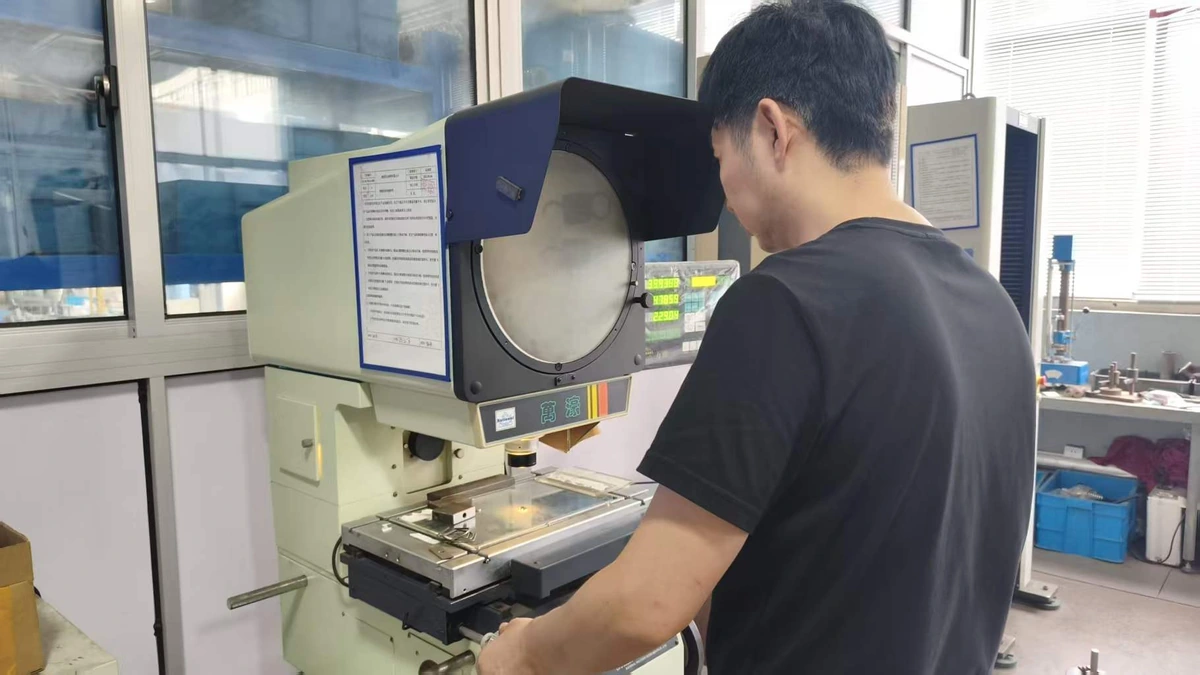
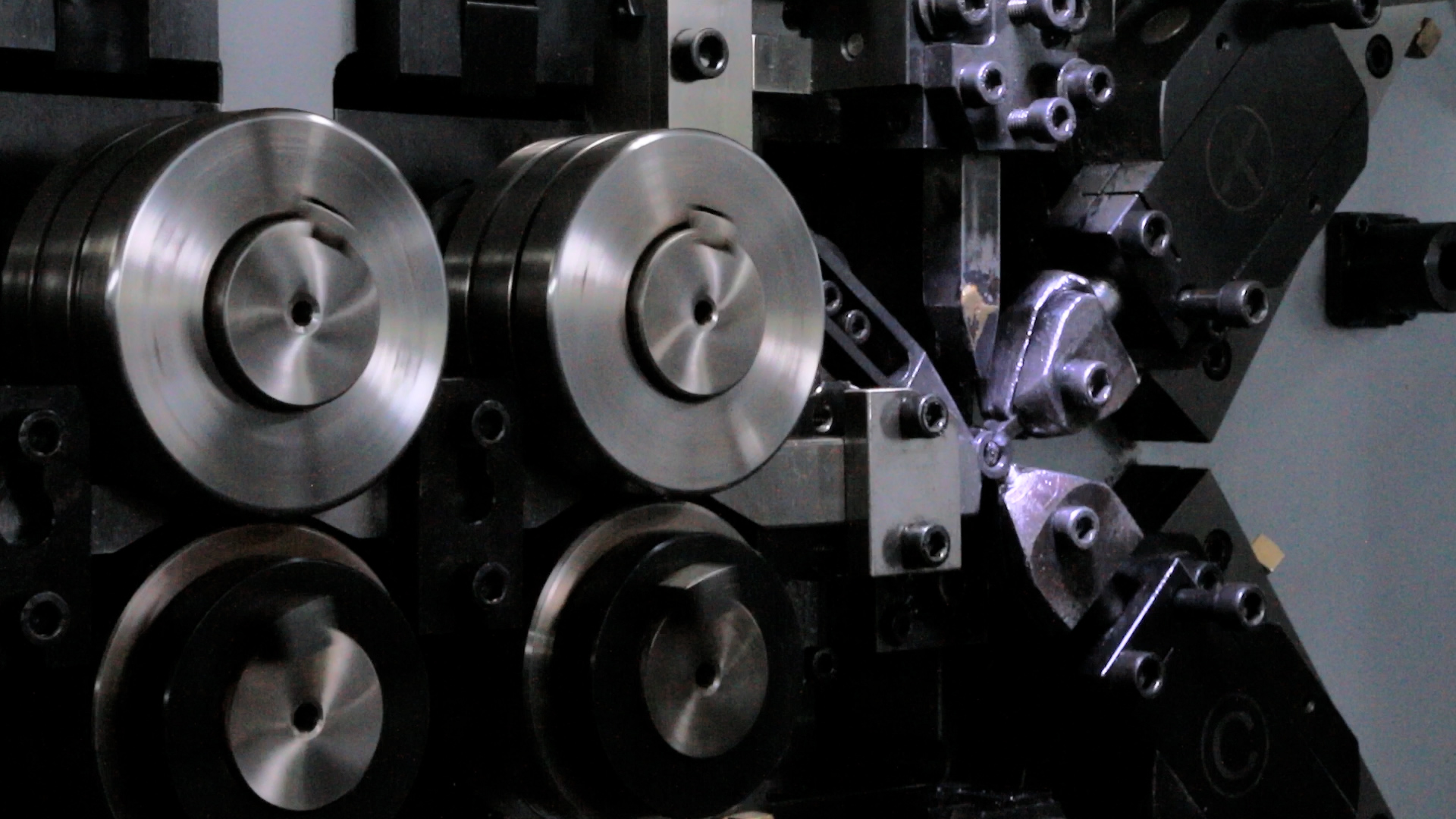
Even when the selection logic is correct, consistency still matters. Springs used in equipment often depend on repeatable forming, dimensional control, and stable production practices. If those are weak, replacement parts may look similar but perform inconsistently from batch to batch.
That is why process transparency matters. A buyer who understands the supplier’s spring winding process is in a better position to judge whether the spring can be produced consistently, not just quoted attractively.
A better troubleshooting sequence before reordering
If a compression spring has already failed early, do not start by reordering the same part automatically. Use this sequence instead:
- Check whether the installed space and guiding are still correct.
- Review the real working movement, not only the original nominal dimensions.
- Look at environmental and handling conditions.
- Confirm whether the old spring was a true fit or only a workable substitute.
- Decide whether standard replacement is enough or whether a revised spring is needed.
This process often reveals that the failure is not random. It is the result of a selection decision that can be corrected.
Frequently Asked Questions
Does early compression spring failure always mean poor material quality?
No. Material may be a factor, but many failures begin with poor installation, mismatched movement, or incomplete selection logic.
Can I replace a failed spring with one that has similar dimensions?
Only after checking the working context. Similar size does not guarantee suitable performance in the equipment.
Why does guiding matter so much for compression springs?
Because poor alignment can introduce side forces, rubbing, and unstable movement that shorten useful service performance.
When should I consider a custom spring instead of a standard replacement?
If the equipment layout is constrained, the movement is unusual, or repeated failures continue after standard replacement, custom support is usually the better path.
Work With Dingli
Cixi Dili Spring Co., Ltd. has focused on spring manufacturing since 1995 and supports both standard and custom production based on samples or drawings. If you are reviewing a compression spring failure or trying to avoid a repeat issue, explore compression spring solutions, review the winding process, or start a custom spring discussion. For project support, contact [email protected] or WhatsApp +86 13586942004.