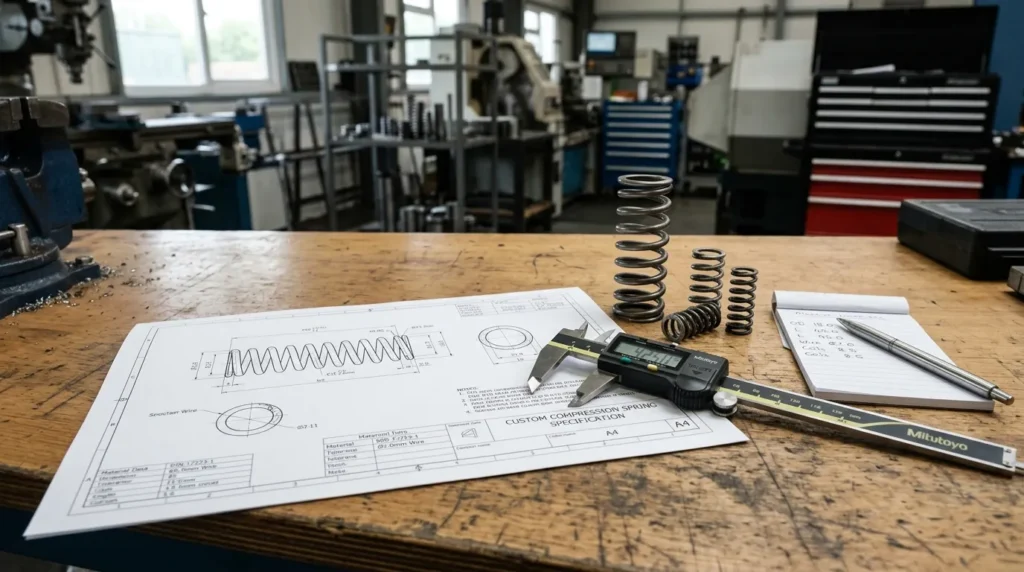
Many custom spring RFQs slow down before the real discussion even starts. Procurement sends a brief message asking for price, engineering follows later with partial dimensions, and the supplier has to ask the same clarifying questions more than once. That back-and-forth costs time on both sides and often delays comparison between suppliers.
If your goal is to get a useful quotation rather than a vague placeholder, the best approach is simple: send a clearer technical package from the beginning. A spring manufacturer does not need perfect paperwork, but they do need enough information to understand the application, evaluate manufacturability, and decide whether the project fits a standard product route or a true custom route.
For buyers comparing custom spring options, the most efficient RFQ is the one that answers the supplier’s first practical questions before they have to ask.
Why custom spring RFQs often become slow and repetitive
In many projects, the problem is not that the spring is difficult. The problem is that the initial RFQ does not define the spring well enough. A supplier may receive overall dimensions but no application details, or a drawing without working conditions, or a sample without explanation of what should be matched and what can be adjusted.
- Procurement may focus on price before engineering requirements are stable.
- Engineering may share dimensions but not the actual movement or installation limits.
- The end user may ask for replacement compatibility without providing the original part context.
- The project team may not yet know whether standard products from the spring product range are acceptable or whether full customization is required.
When that happens, the supplier cannot give a reliable answer quickly. The RFQ becomes a clarification exercise instead of a quotation process.
The minimum technical package a supplier should receive
You do not need a perfect engineering dossier to begin. But you should send enough information for the manufacturer to understand geometry, function, and constraints. In practice, the most useful RFQ package usually includes the following:
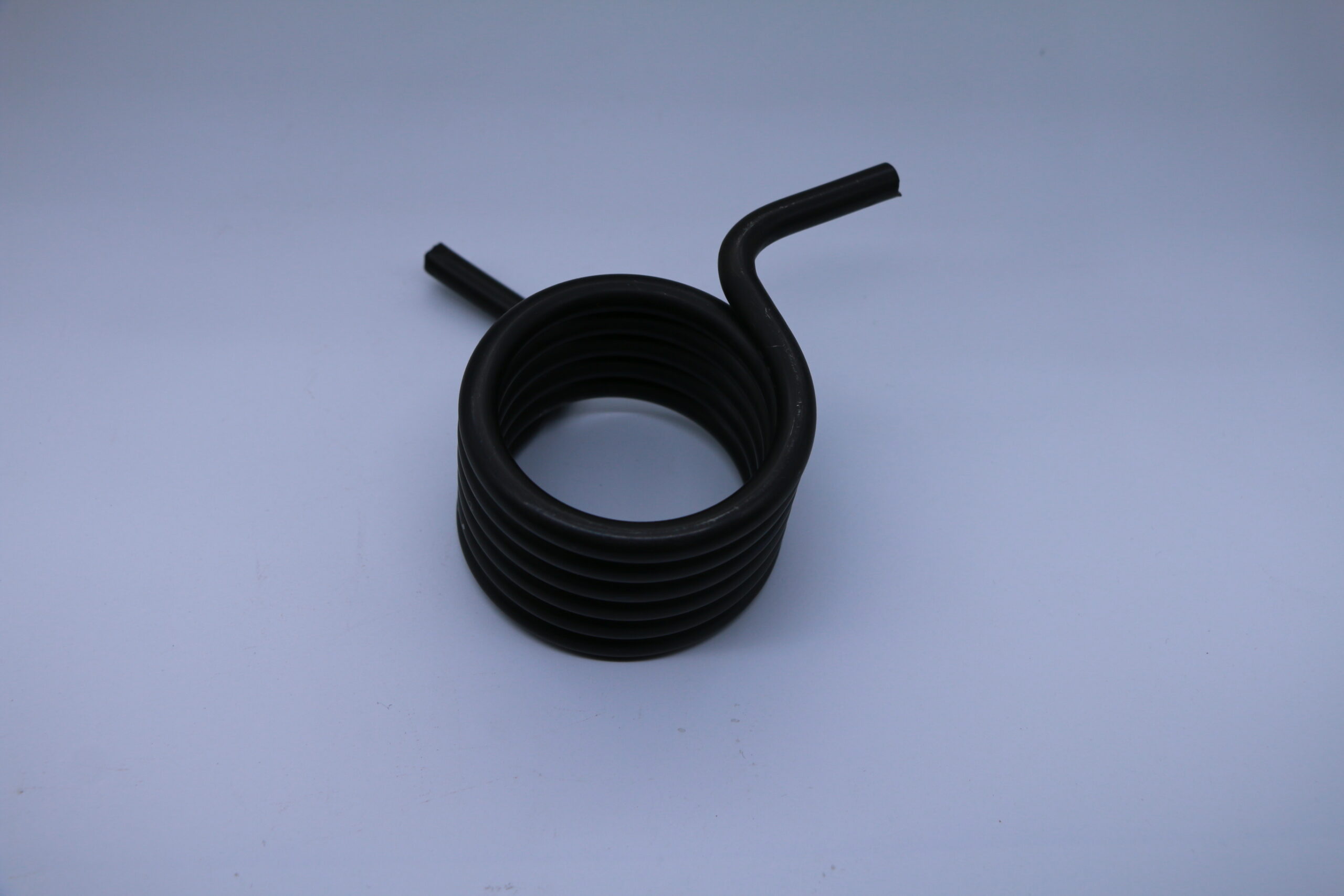
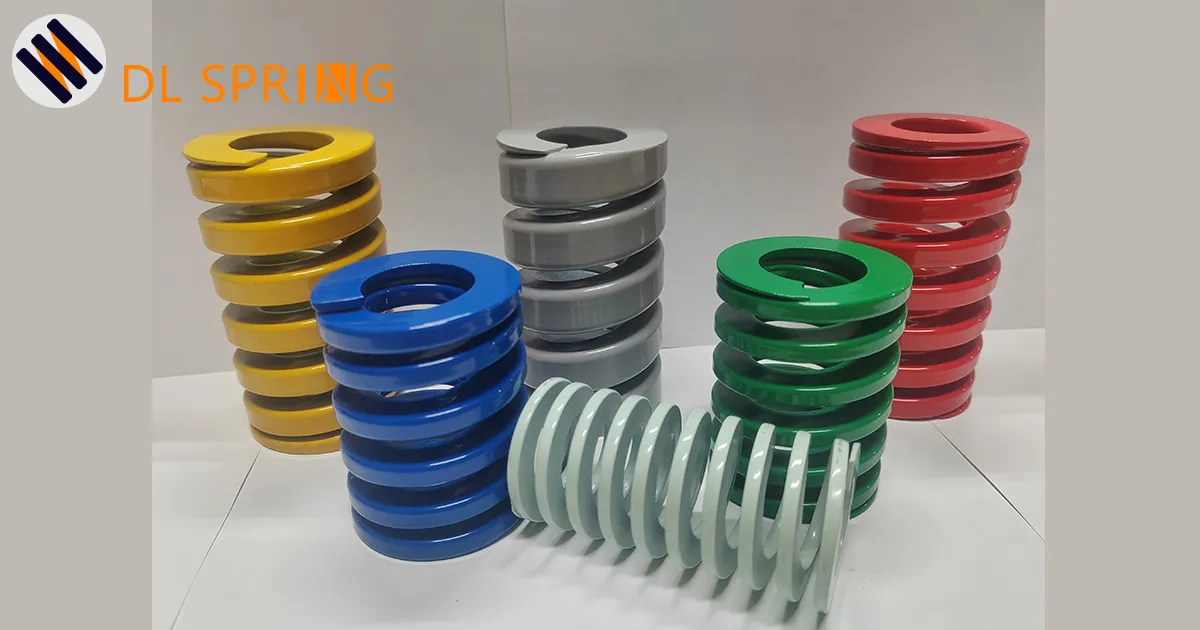
- spring type, such as compression spring, extension spring, torsion spring, or die spring
- drawing, sketch, or dimension list showing the basic geometry
- installation space limits and any restricted outer dimensions
- working stroke, movement range, or operating position
- target force, load point, or performance expectation if known
- material or surface expectations if the environment requires them
- estimated quantity, sample demand, or project stage
Even when some values are not finalized, sharing what is already known helps the manufacturer judge the next step. It is better to say which items are confirmed and which are still open than to present incomplete information as final.
Should you send a drawing, a sample, or both?
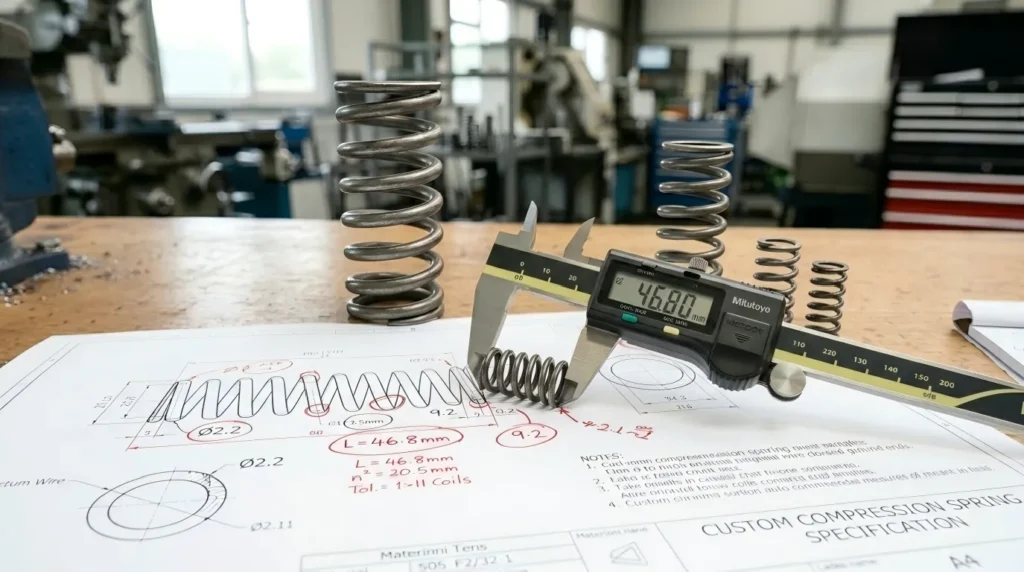
The best answer depends on the project history. For new development, a drawing or dimension sheet is usually the main reference. For replacement work, a physical sample can be very helpful, especially when the original application has wear patterns, assembly marks, or formed details that are not obvious from a short description.
When a drawing is most useful
A drawing is the clearest way to communicate intended geometry, controlled dimensions, and critical relationships. It also reduces ambiguity when procurement, engineering, and the supplier need to refer to the same part.
When a sample is most useful
A sample is valuable when the customer needs to match an existing spring, verify fit, or replace a part from old equipment with limited documentation.
When both are best
For many custom projects, sending both a drawing and a sample creates the fastest path. The drawing explains the target. The sample helps confirm what is happening in the real application. That combination reduces interpretation risk.
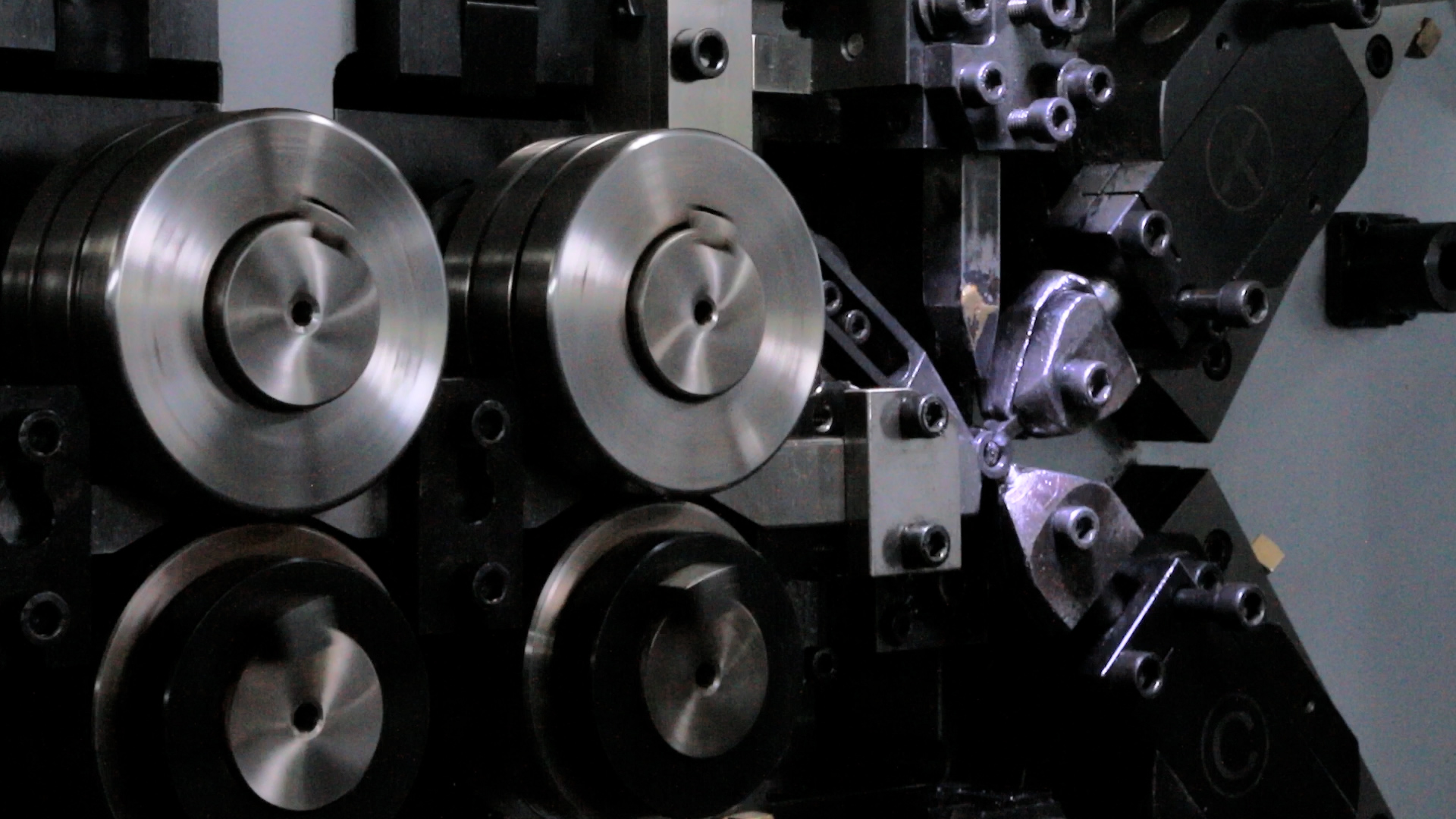
If the spring will require controlled forming and repeatable production, it is also useful to ask the manufacturer how the spring winding process and later inspection steps support dimensional consistency.
Application details matter more than many buyers expect
Two springs with similar dimensions may not serve the same job well. That is why an RFQ should describe the application, not only the part shape. A manufacturer needs to understand how the spring works in the assembly.
- Is the spring used for return force, holding force, shock absorption, or controlled motion?
- Is the movement frequent or occasional?
- Is the working environment humid, corrosive, dusty, or temperature-sensitive?
- Is the project a prototype, a pilot run, or regular production?
- Does the spring need to match an old part, or can the design be optimized?
These details affect more than price. They can influence whether the supplier recommends a material adjustment, a different finishing route, or a custom geometry rather than a near-standard substitute.
For example, if the spring will operate in moisture or a harsher environment, surface expectations may matter. In that case, it is useful to review the supplier’s surface treatment and aftertreatment approach before finalizing the RFQ.
What your team should confirm before sending the RFQ
A better RFQ often starts inside the buyer’s own team. Before sending the package to a manufacturer, confirm which information is stable and which information still needs internal review.
- Decide whether this is a new custom design, a modified version, or a replacement job.
- Confirm who owns the final dimensional decision: engineering, procurement, or the end customer.
- Separate confirmed requirements from preferred but flexible requirements.
- State clearly whether you need quotation only, samples first, or mass-production readiness.
- Prepare one clean file package so the supplier does not have to assemble the story from scattered messages.
This step sounds basic, but it prevents one of the most common RFQ problems: different people sending partially conflicting instructions to the supplier.
A simple RFQ checklist buyers can reuse
If you want a faster quotation workflow, use this short checklist before sending the inquiry:
- part type identified
- drawing or sample attached
- main dimensions listed clearly
- installation limits explained
- working movement or load target described
- surface or environmental conditions noted if relevant
- quantity and project stage stated
- contact person for engineering follow-up identified
That is usually enough to move the conversation from generic price discussion to an actionable quotation review.
Frequently Asked Questions
Can I request a quote if I only have a sample and no drawing?
Yes. A sample can still support the first stage of evaluation, especially for replacement work. It helps if you also explain the application and the dimensions that matter most.
Do I need to provide exact load data before RFQ?
Not always, but any available performance target helps. If exact values are not yet confirmed, say so clearly and describe the intended use instead of leaving the field blank.
Should procurement or engineering send the inquiry?
Either can send it, but the best RFQs combine commercial and technical information in one package. That reduces follow-up rounds.
When is a standard product enough instead of a custom spring?
If the application fits an existing catalog size and performance range, a standard product may be enough. If installation space, function, or replacement requirements are unusual, custom support is often the better path.
Work With Dingli
Cixi Dili Spring Co., Ltd. has focused on spring manufacturing since 1995 and supports both standard and custom production based on drawings or samples. If you are preparing a custom spring RFQ, you can start from custom spring support, review the broader product range, or learn more about Dingli. For direct project discussion, contact [email protected] or WhatsApp +86 13586942004.